
e Detailing: Transforming Pharmaceutical Engagement in the Digital Age
Discover how e-detailing is transforming pharmaceutical communication with healthcare professionals, offering smarter, scalable, and flexible digital sales solutions.
Admin
5/25/20269 min read
Introduction to E-Detailing in the Pharmaceutical Industry
Definition of e-detailing
Evolution from traditional detailing to digital engagement
Why e-detailing matters today in the USA
The Rise of E-Detailing in the United States
Changing healthcare landscape
Digital adoption among HCPs
Regulatory and compliance considerations
How E-Detailing Works: A Practical Overview
Core components of an e-detailing system
Channels used (web, mobile, tablets, apps)
Role of data and analytics
Benefits of E-Detailing for Healthcare Professionals (HCPs)
Convenience and flexibility
Personalized content
Improved clinical decision-making
Value of E-Detailing for Medical and Pharmacy Students
Educational advantages
Exposure to real-world pharmaceutical knowledge
Supporting modern learning styles
E-Detailing vs Traditional Sales Detailing
Cost, reach, and effectiveness comparison
Relationship-building in the digital era
Hybrid models
Key E-Detailing Service Providers in the USA
Overview of major platforms
What differentiates leading providers
Spotlight on Innovation: Visual PRO App by Gnx Digital
What Visual PRO App is
Key features and benefits
Why it stands out in the e-detailing ecosystem
Challenges and Limitations of E-Detailing
Content fatigue
Technology barriers
Compliance and trust
The Future of E-Detailing in the USA
AI, personalization, and omnichannel engagement
What HCPs and students can expect next
Conclusion
Frequently Asked Questions (FAQs)
Introduction to E-Detailing in the Pharmaceutical Industry
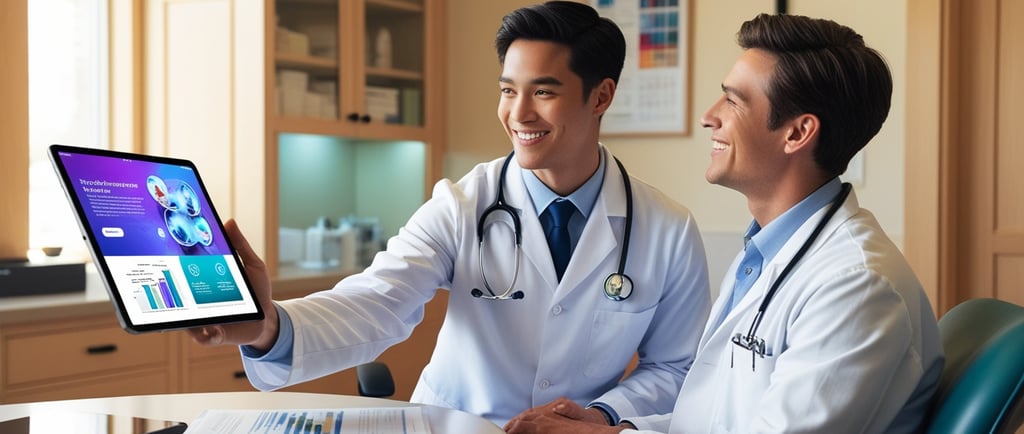
E-detailing, short for electronic detailing, has quietly but powerfully reshaped how pharmaceutical companies communicate with healthcare professionals in the United States. At its core, e-detailing is the use of digital technology to deliver pharmaceutical sales presentations, product education, clinical data, and brand messaging to healthcare professionals (HCPs) through electronic channels rather than face-to-face-only interactions. Think of it as the modern evolution of the traditional sales rep visit—only smarter, more flexible, and far more scalable.
For decades, pharma sales depended heavily on in-person detailing. Representatives traveled from clinic to clinic, armed with brochures, samples, and slide decks, hoping to catch physicians between patients. While that model built relationships, it also came with limitations: time constraints, high costs, limited reach, and inconsistent messaging. As digital tools became part of everyday medical practice, the industry naturally began asking a simple question—why not meet HCPs where they already are?
In the USA, where healthcare systems are complex and time-pressured, e-detailing emerged as a practical solution. Physicians, pharmacists, nurse practitioners, and physician assistants increasingly prefer on-demand access to information rather than scheduled interruptions. E-detailing allows them to engage with pharmaceutical content at their own pace, whether that’s late at night, between appointments, or during dedicated learning time.
Beyond HCPs, e-detailing also plays a growing role in educating medical and pharmacy students. These future professionals are digital natives. They learn through videos, interactive modules, and mobile apps. E-detailing aligns perfectly with their expectations, offering credible, up-to-date, and visually engaging educational experiences tied to real-world therapies.
In short, e-detailing isn’t just a trend. It’s a fundamental shift in how pharmaceutical knowledge is shared, understood, and applied in modern healthcare.
The Rise of E-Detailing in the United States
The rapid rise of e-detailing in the United States didn’t happen overnight. It was driven by a perfect storm of technological advancement, changing HCP preferences, and external pressures that forced the pharmaceutical industry to rethink engagement strategies. One major turning point came when healthcare professionals began openly expressing frustration with traditional sales visits. Busy schedules, administrative overload, and burnout left little room for lengthy in-person presentations.
At the same time, digital adoption in healthcare accelerated. Electronic health records (EHRs), telemedicine, online CME platforms, and mobile health apps became standard tools. Once HCPs were comfortable diagnosing patients via video calls and attending virtual conferences, consuming pharmaceutical information digitally felt like a natural next step. E-detailing fit seamlessly into this evolving ecosystem.
The COVID-19 pandemic further accelerated adoption. With restricted access to hospitals and clinics, pharmaceutical companies had no choice but to rely on digital engagement. What started as a necessity quickly revealed unexpected advantages—better reach, improved tracking, and more meaningful interactions driven by data rather than guesswork.
In the USA, regulatory frameworks such as FDA guidelines and HIPAA compliance also shaped e-detailing strategies. Digital platforms had to ensure accuracy, transparency, fair balance, and data security. Over time, providers refined their tools to meet these requirements, building trust among HCPs.
Today, e-detailing is not limited to large pharmaceutical corporations. Mid-sized and emerging biotech companies in the US are also adopting digital-first approaches. The result is a more competitive, innovative, and efficient pharmaceutical communication landscape—one that prioritizes value over volume and relevance over repetition.
How E-Detailing Works: A Practical Overview
At first glance, e-detailing might sound like a simple digital presentation, but behind the scenes, it’s a sophisticated system designed to deliver the right message to the right healthcare professional at the right time. The foundation of e-detailing lies in digital content, technology platforms, and data analytics working together seamlessly.
Typically, e-detailing content includes interactive presentations, clinical study summaries, mechanism-of-action videos, patient case studies, dosing calculators, and downloadable resources. These materials are hosted on secure platforms accessible via web browsers, tablets, mobile devices, or dedicated apps. Some e-detailing interactions are self-guided, while others are led by a sales representative through a live or virtual session.
One of the most powerful aspects of e-detailing is personalization. Using data insights, pharmaceutical companies can tailor content based on specialty, prescribing behavior, geographic location, and previous engagement. For example, a cardiologist in New York might see different content than a primary care physician in Texas—even when learning about the same drug.
Analytics play a critical role. Every interaction can be tracked: which slides were viewed, how long an HCP spent on a section, what questions were asked, and which resources were downloaded. This feedback loop allows companies to continuously refine messaging while respecting compliance standards.
For HCPs and students, the experience feels intuitive. Instead of passively listening, they engage actively—clicking, exploring, revisiting, and learning at their own pace. That’s the real strength of e-detailing: it transforms information delivery into a meaningful learning experience.
Benefits of E-Detailing for Healthcare Professionals (HCPs)
Healthcare professionals in the USA face intense time pressure. Between patient care, documentation, continuing education, and administrative tasks, their schedules leave little room for traditional sales visits. E-detailing directly addresses this challenge by putting control back into the hands of HCPs.
One of the biggest benefits is flexibility. Physicians and pharmacists can access information when it suits them—early mornings, evenings, or weekends. There’s no need to rearrange clinic schedules or rush through presentations. This alone significantly improves engagement quality.
Another major advantage is relevance. E-detailing platforms often personalize content, ensuring HCPs see information aligned with their specialty and interests. Instead of generic sales pitches, they receive focused, evidence-based insights that support clinical decision-making.
E-detailing also enhances transparency and learning. Interactive visuals, clinical trial data, and real-world evidence are easier to understand when presented digitally. HCPs can revisit complex topics, explore references, and even share content with colleagues.
From a trust perspective, many HCPs appreciate the non-intrusive nature of e-detailing. It feels less like a sales interruption and more like an educational resource. In an era where credibility matters more than persuasion, this subtle shift makes a huge difference.
Value of E-Detailing for Medical and Pharmacy Students
Medical and pharmacy students represent the future of healthcare, and e-detailing plays an increasingly important role in their education. Unlike traditional lectures or textbooks, e-detailing offers exposure to how therapies are positioned, explained, and supported in real clinical practice.
Students benefit from visually rich, interactive content that mirrors how they already learn. Mechanism-of-action animations, patient case simulations, and digital presentations help bridge the gap between theory and application. This makes complex pharmacology concepts easier to grasp and remember.
E-detailing also introduces students to industry standards, compliance language, and evidence-based communication. Understanding how pharmaceutical information is ethically and accurately presented prepares them for future interactions as prescribers or pharmacists.
In the USA, where experiential learning is highly valued, e-detailing provides access to up-to-date information without geographical limitations. A pharmacy student in a rural area can explore the same high-quality content as one in a major academic medical center.
Perhaps most importantly, e-detailing encourages independent learning. Students can explore topics at their own pace, revisit challenging material, and stay current with therapeutic advancements—skills that will serve them throughout their careers.
E-Detailing vs Traditional Sales Detailing
Comparing e-detailing to traditional sales detailing is like comparing streaming services to DVDs. Both deliver content, but the experience, efficiency, and scalability are worlds apart. Traditional detailing relies heavily on face-to-face visits, printed materials, and physical samples. While personal interaction has value, it’s limited by time, geography, and cost.
E-detailing, on the other hand, offers broader reach at a fraction of the cost. A single digital presentation can be accessed by thousands of HCPs across the USA without travel expenses or scheduling conflicts. Messaging remains consistent, compliant, and easy to update.
That said, e-detailing doesn’t completely replace human interaction. Many pharmaceutical companies now adopt hybrid models—combining digital engagement with targeted in-person visits. This approach strengthens relationships while maximizing efficiency.
For HCPs, the choice is clear. E-detailing respects their time, supports informed decision-making, and aligns with modern workflows. For companies, it delivers measurable ROI and deeper insights. It’s not about replacing the old model entirely—it’s about evolving it.
Key E-Detailing Service Providers in the USA
The US e-detailing market is supported by several established service providers offering advanced digital engagement platforms. Companies such as Veeva Systems, IQVIA, Indegene, and Aktana provide comprehensive solutions that combine content management, analytics, CRM integration, and compliance tools.
These platforms enable pharmaceutical companies to design personalized e-detailing journeys, track engagement, and optimize outreach strategies. Some focus heavily on data and AI-driven recommendations, while others emphasize creative content and user experience.
What sets leading providers apart is their ability to balance innovation with regulatory compliance. In the highly regulated US pharma environment, accuracy, data security, and transparency are non-negotiable.
As competition increases, newer players are also entering the market with more agile, visually engaging, and cost-effective solutions—pushing the industry toward continuous improvement.
Spotlight on Innovation: Visual PRO App by Gnx Digital
Among emerging innovations in e-detailing, the Visual PRO App by Gnx Digital stands out as a modern, user-friendly solution designed for impactful pharmaceutical engagement. Built with both HCPs and sales teams in mind, Visual PRO focuses on high-quality visual storytelling combined with intuitive navigation.
The app enables pharmaceutical companies to deliver interactive, visually rich presentations that work seamlessly across devices. Whether used in virtual meetings, self-guided sessions, or hybrid interactions, Visual PRO ensures consistent messaging and engaging user experiences.
One of its strengths lies in customization. Content can be tailored for specific specialties, therapies, or audiences such as physicians, pharmacists, or medical students. Built-in analytics provide insights into engagement patterns, helping teams refine their approach without overwhelming users.
For the US market, the Visual PRO App aligns well with compliance requirements while maintaining flexibility and speed. Its emphasis on visual clarity makes complex medical information easier to understand—a major advantage in today’s attention-limited environment.
Challenges and Limitations of E-Detailing
Despite its advantages, e-detailing is not without challenges. One common issue is digital fatigue. With so many online platforms competing for attention, HCPs may become selective or disengaged if content lacks relevance or value.
Technology barriers also exist. Not all users are equally comfortable with digital tools, and technical glitches can disrupt the experience. Ensuring smooth performance across devices is essential.
Compliance remains a constant concern. Pharmaceutical companies must ensure all digital content meets regulatory standards, which can slow innovation if not managed effectively.
The key to overcoming these challenges lies in thoughtful design, personalization, and respect for the user’s time.
The Future of E-Detailing in the USA
Looking ahead, the future of e-detailing in the USA is deeply tied to artificial intelligence, data-driven personalization, and omnichannel engagement. AI will help predict HCP preferences, recommend content, and optimize timing—making interactions even more relevant.
For medical and pharmacy students, e-detailing will likely become integrated into formal education and training. As healthcare becomes more digital, learning about therapies through digital platforms will feel natural, not optional.
Ultimately, e-detailing will continue evolving from a communication tool into a strategic partnership between pharmaceutical companies and healthcare professionals—focused on shared goals of better knowledge, better decisions, and better patient outcomes.
Conclusion
E-detailing has fundamentally transformed pharmaceutical engagement in the United States. By leveraging digital technology, it delivers flexible, personalized, and meaningful interactions for healthcare professionals and students alike. As platforms evolve and innovations like the Visual PRO App by Gnx Digital continue to emerge, e-detailing will remain a cornerstone of modern pharmaceutical communication—bridging knowledge gaps and supporting better healthcare every step of the way.
Frequently Asked Questions (FAQs)
1. What is e-detailing in pharmaceuticals?
E-detailing is the digital delivery of pharmaceutical product information and sales presentations to healthcare professionals through electronic platforms.
2. What is an e-detail?
An e-detail is a single digital pharmaceutical presentation that includes interactive slides, videos, and clinical information, delivered online or through a mobile app, Tablets or iPads.
3. Is e-detailing compliant with US regulations?
Yes, when implemented correctly, e-detailing platforms follow FDA guidelines and data privacy regulations.
4. What is digital detailing?
Digital detailing is a broader approach that includes e-detailing along with emails, webinars, mobile apps, and other digital channels used to engage healthcare professionals.
5. Can medical students benefit from e-detailing?
Absolutely. E-detailing provides interactive, real-world educational content ideal for modern learning styles.
6. Why is detailing so expensive?
Traditional detailing is costly due to sales staff salaries, travel, training, printed materials, and limited reach. E-detailing reduces these expenses by using scalable digital platforms.
7. How does e-detailing improve engagement?
It offers personalized, on-demand access to information, making learning more relevant and convenient.
8. What makes the Visual PRO App unique?
Visual PRO App by Gnx Digital focuses on visual clarity, customization, and seamless user experience tailored for pharmaceutical e-detailing. What makes it truly unique is its in-house e-visual aid designing, where every visual is optimized for tablets and iPads. The content uses clear, readable font sizes, clean layouts, and lightweight designs that require less space and load faster. This ensures smooth performance on tablet devices while delivering high visibility and a professional presentation experience for healthcare professionals.